From Malaysia, Indonesia, and the Philippines, the A320 can be found island hopping or connecting countries. Introduced in the 1980s, it has also become the go-to narrowbody aircraft of choice in the region. While the Boeing 737 has its own operators in the region, the A320s and the A321s rule the skies of Southeast Asia.
If you happen to be at an airport anywhere in Southeast Asia, you will notice that the fleet of the region's airlines heavily rely on the Airbus A320 Family of aircraft. The versatile aircraft family – which includes the A320s and larger A321s - have helped airlines in the region grow and shape the aviation industry in the region during the last two decades. From Malaysia, Indonesia, and the Philippines, the A320 can be found island hopping or connecting countries. Introduced in the 1980s, it has also become the go-to narrowbody aircraft of choice in the region. While the Boeing 737 has its own operators in the region, the A320s and the A321s rule the skies of Southeast Asia.
Image: AirAsia A320s at Kuala Lumpur International Airport (KLIA) Terminal 2 (Credit: AirAsia)
Boeing's Early Start
The dominance of the A320 Family in Southeast Asia can't be addressed without mentioning the global aircraft manufacturing duopoly of Airbus and Boeing. While with some differences, Boeing's main narrowbody jet – the 737 - offers similar operational specifications and benefits for airlines. Despite being launched decades after the rollout of the first 737, the A320 has caught up to become the main competing option. As the ongoing contest between Boeing and Airbus for new aircraft orders continue, the 737 currently leads the all-time orders with nearly 20,100 to over 19,000 for the A320. The gap is narrow for deliveries with around 12,000 each.
Based on the twin-jet design of Boeing's older 707, the 737 Family was launched as a complement to another popular narrowbody jet produced by the American aircraft manufacturer – the 727 – during the 1960s. The 737 Family would be developed over the next few decades from the -100 to the modern MAX. Based on Boeing's records of orders and deliveries, the very first airline from Southeast Asia to acquire 737s was Malaysia-Singapore Airlines (MSA) – the predecessor of both Singapore Airlines and Malaysia Airlines. The then Singapore-based MSA welcomed a 737-100 in 1969. Following the airline's split, Singapore Airlines would favor widebody jets while Malaysia Airlines continues to operate 737s today.
Over the course of the next few decades, Boeing would deliver around 500 737 Classic and NG (-100 to -900) aircraft to around 10 airlines and 2 military customers in Southeast Asia. Among the major airline operators in Southeast Asia included THAI Airways, Royal Brunei Airlines, Philippine Airlines, and Malaysia Airlines. Of the airlines mentioned, Malaysia Airlines would be a major customer of the 737 taking in a total of 100 737s between 1972 and 2014.
Source: Boeing records of orders and deliveries
The regions biggest destination for 737s was Malaysia's neighbor Indonesia. Compared to other countries in the region, Indonesia became major a destination for 737 deliveries in the late 1990s and early 2000s. After Garuda Indonesia welcomed the first 737-300 for an Indonesian airline 1997, Indonesia's airlines would take delivery of over 200 737s. Boeing would get one of its biggest customers in budget group Lion Air. The Indonesian budget carrier group took delivery of 186 737-800s and the bigger -900ERs between 2012 and 2018.
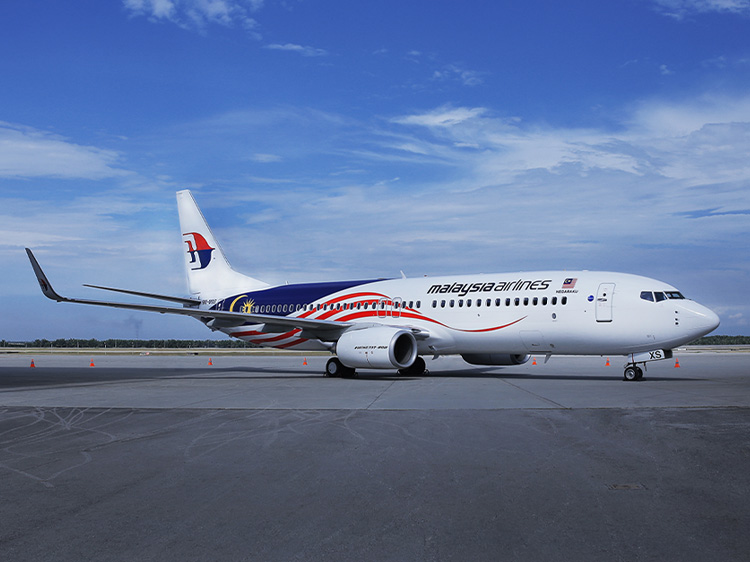
Image: Malaysia Airlines Boeing 737-800. Credit: Malaysia Airlines.
In addition to the ordered aircraft, other airlines such as Philippine Airlines and Air Philippines would acquire 737s mostly through lease starting in the late 1980s and early 1990s. THAI Airways would operate a total of around 16 737s (-200s and -400s) until the mid 2010s.
The Rise of the A320 in Southeast Asia
The story of how Tony Fernandes purchased AirAsia – a financially struggling airline in the late 1990s and early 2000s - for just RM1 and turned it into one of the biggest global budget airline brands is known around the world. Yet it is often forgotten that AirAsia as we know it today started with a fleet of older 737s. While the 737 helped AirAsia's rebrand and jumpstart its low cost carrier operations, Fernandes and the budget carrier was seeking new narrowbody aircraft to replace them. AirAsia and other airlines would eventually select the A320 – introduced to the world in 1987 – as Southeast Asia's primary narrowbody aircraft.
AirAsia is currently the biggest operator of the A320 in Southeast Asia, though it was not the first to introduce the aircraft in the region. Based on data from planespotters.net, Vietnam Airlines operated Southeast Asia's first A320s which were leased from Air France in the early 1990s. Later in the decade Philippine Airlines would welcome its first A320 in 1997. Singapore Airlines' subsidiary SilkAir would start operating the smaller A319s in 1999. Airbus would then step up its dealing with airlines for the A320 in the 2000s to dethrone the 737 in the skies over the region.
Image: Vietnam Airlines A320 (F-GFKN) leased from Air France at Bangkok Don Mueang Airport (1996). Credit: G B_NZ
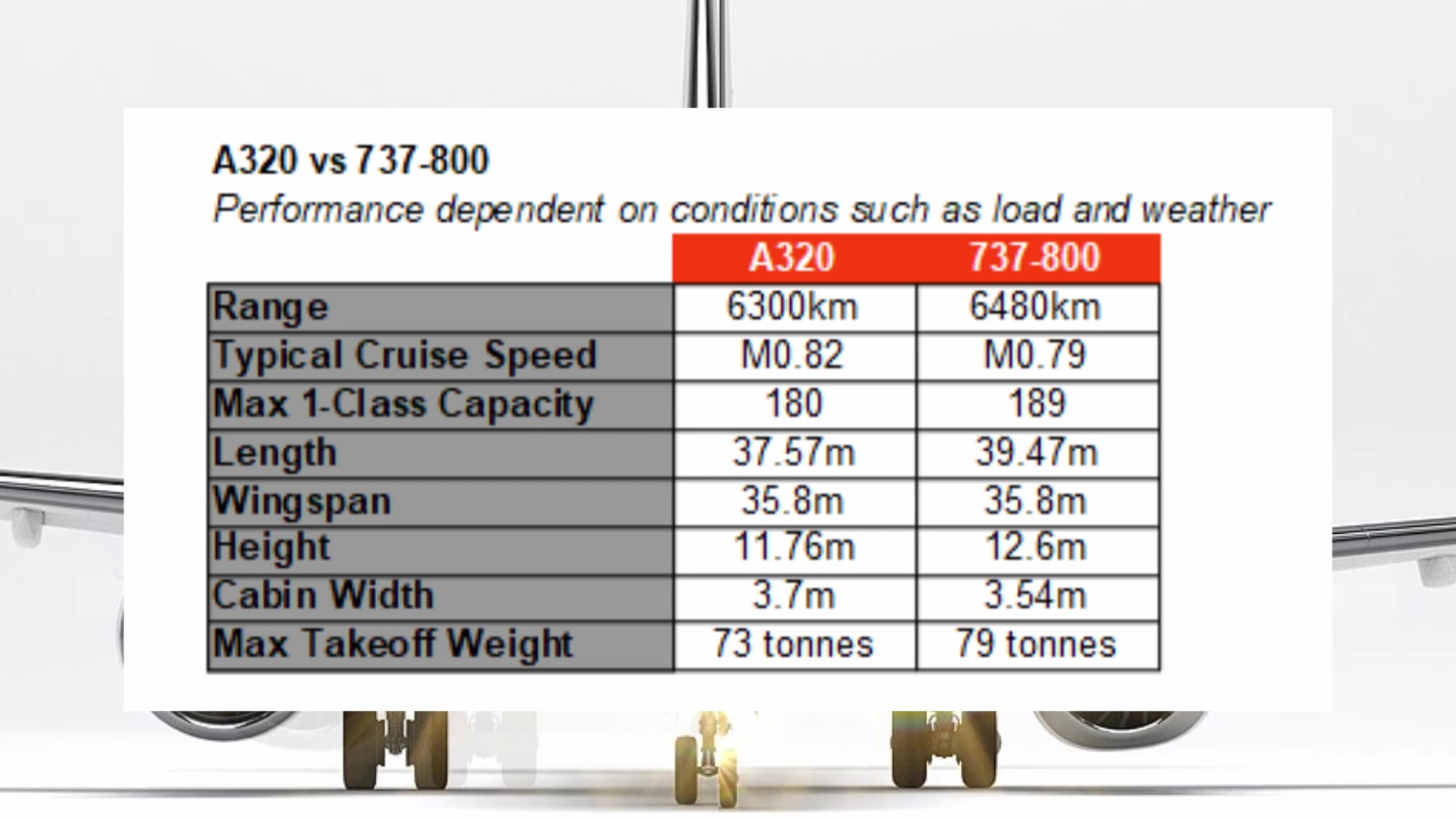
Both the A320 and the 737 are single-aisle twin-jets with comparable size, speed, range, and passenger/cargo capacities. Though the A320 introduced something new at the time of its launch – a digital fly-by-wire system. The A320 also has a slightly wider cabin, with a taller landing gear that makes it sit slightly higher when on the ground. Besides the technical specifications, their list prices and leasing rates are usually similar compared to the 737 having a higher price.
Sources: Airbus, Boeing
Airbus' opportunity to boost its sales of the A320 to Southeast Asia's airlines would come following the terrorist attacks of September 11, 2001. While Boeing reduced its production output and laid off up to 30 thousand workers, Airbus stepped up its negotiations with airlines and aircraft lessors around the world – especially with budget carriers. Airlines such as AirAsia and Cebu Pacific would get aggressive discounts for bigger orders, with each aircraft sold below list prices. This strategy would continue to be emulated into the 2010s and 2020s, which has resulted in most of the airlines in Southeast Asia selecting the A320 and A321s as their primary narrowbody aircraft.
Using their newly delivered A320s, airlines such as AirAsia and Cebu Pacific would lead the budget travel revolution in Southeast Asia. Other airlines – including legacy 737 operators – would replace them with A320s. The A320 Family leads in the region with over 1500 orders and around 784 aircraft in operation in the region versus the 737 (Classic/NG/MAX) with over 1300 ordered and nearly 700 in operation. 30 airlines from all 11 ASEAN states currently operate at least one aircraft from the A320 Family.
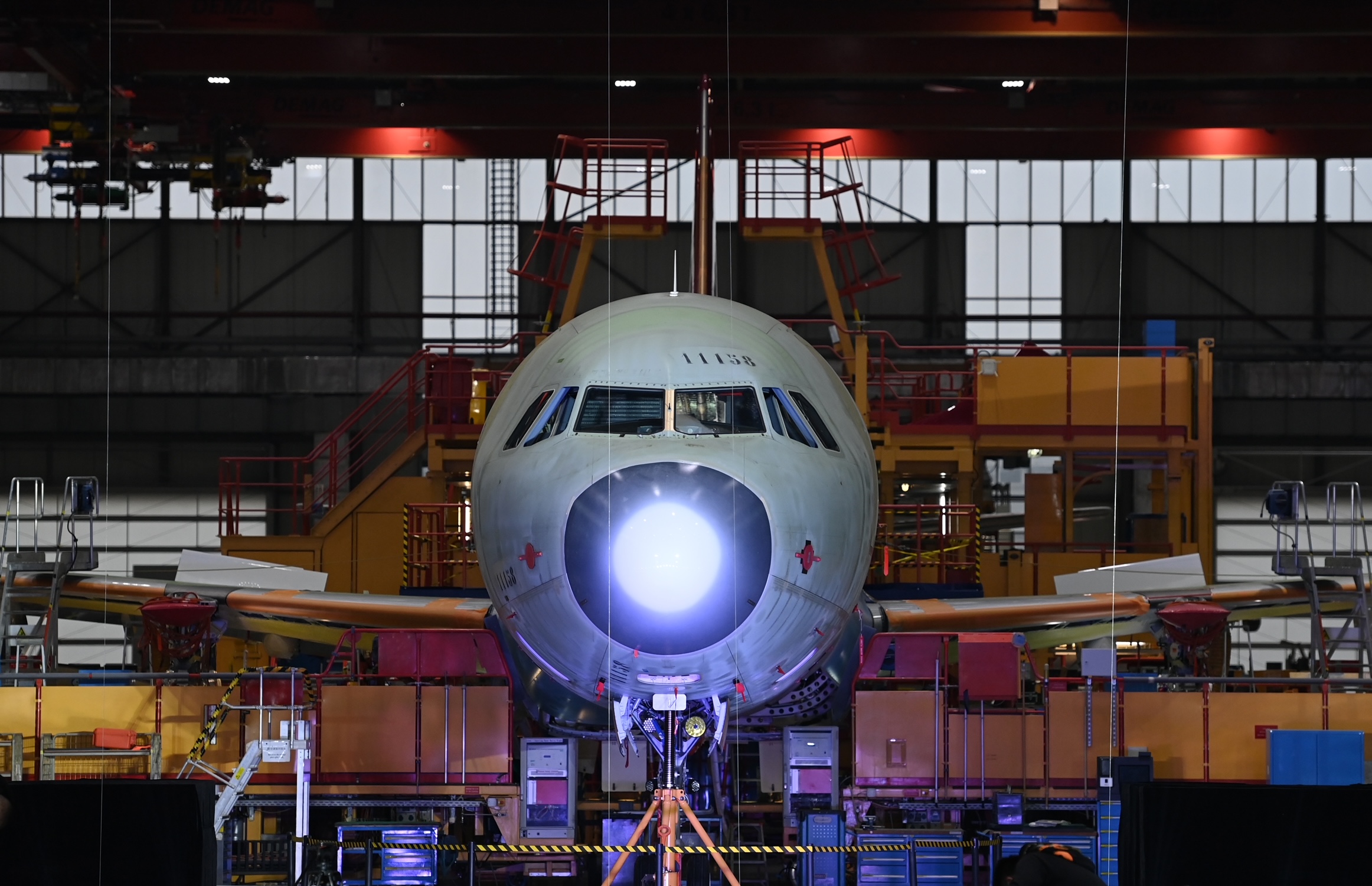
Beyond aircraft deliveries, Airbus has also stepped up its support for Airbus operators in Asia. In 2008, Airbus opened an A320 Final Assembly Line (FAL) in Tianjin, China – the first of its kind outside Europe. The FAL in China has helped Airbus keep up with its production targets and delivery schedule for airlines across Asia. Closer to home, operations are supported by Airbus' Singapore Campus at Selatar Airport which includes a flight training center. Also at the facility in Singapore is a spare parts hub operated by subsidiary Satair.
Image: A320 fuselage at the Airbus Final Assembly Line (FAL) Tianjin, China. Credit: Airbus
A320 Family Operations in Southeast Asia
The A320 Family is present in the fleets of 30 airlines from all 11 ASEAN states. The majority of the A320 fleet of over 700 aircraft currently operating in Southeast Asia can be found in four ASEAN states – Malaysia, Vietnam, Indonesia, and the Philippines.
Malaysia may be referred to as the hub of the A320 in Southeast Asia. Whether flying across ASEAN region or domestically within a member state, the majority of the AirAsia Group's fleet is comprised of over 200 A320/A321s – including the newer neo variants. The airline group has been one of Airbus' biggest go-to customers globally with 600 narrowbody ordered from Airbus. Many of the aircraft on order – including newer A320neo and A321neos - are expected to replace its older aircraft and support its future expansion plans.
The second biggest fleet of A320s can be found in Vietnam, with over 180 in operation. Vietjet's fleet of over 100 aircraft is made up of a majority A320/A321s. Vietnam Airlines is second with over 60 A320 Family jets. In addition to Vietnam Airlines and Vietjet, the A320/A321 has been the narrowbody aircraft of choice for new airlines in the country such as Bamboo Airways, Sun Phu Quoc, and Vietravel. With over 200 A321neo on order, Vietjet leads Vietnam's orderbook for A320s at over 300 jets.
While Garuda Indonesia and Lion Air are major operators of the 737, Indonesia is home to the third biggest fleet of A320s in Southeast Asia with around 170 in operation. These aircraft are operated by airlines such as Lion Air subsidiaries Batik Air and Super Air Jet, Garuda's Citilink, and TransNusa. The A320 fleet in Indonesia is expected to grow further with Lion Air's orders for 178 A320neo/A321neos.
The A320 is the preferred choice of narrowbody aircraft for the Philippines' airlines with an operating fleet of around 100 aircraft. Excluding AirAsia's Philippine-based subsidiary, the Philippine carriers have ordered over 200 A320 Family jets from Airbus. Cebu Pacific leads with over 60 followed by Philippine Airlines with over 40. Both airlines are still expecting more aircraft deliveries, led by Cebu Pacific's big orders for over 100 jets.
Long a country whose flag carrier Singapore Airlines preferred widebody aircraft, the Singapore Airlines (SIA) Group has been diversifying its fleet. With 100 narrowbody jets ordered from Airbus, the airline group currently operates 30 A320 Family jets – mostly with its budget subsidiary Scoot – including the A320neo and A321neo.
A320neo vs. 737 MAX
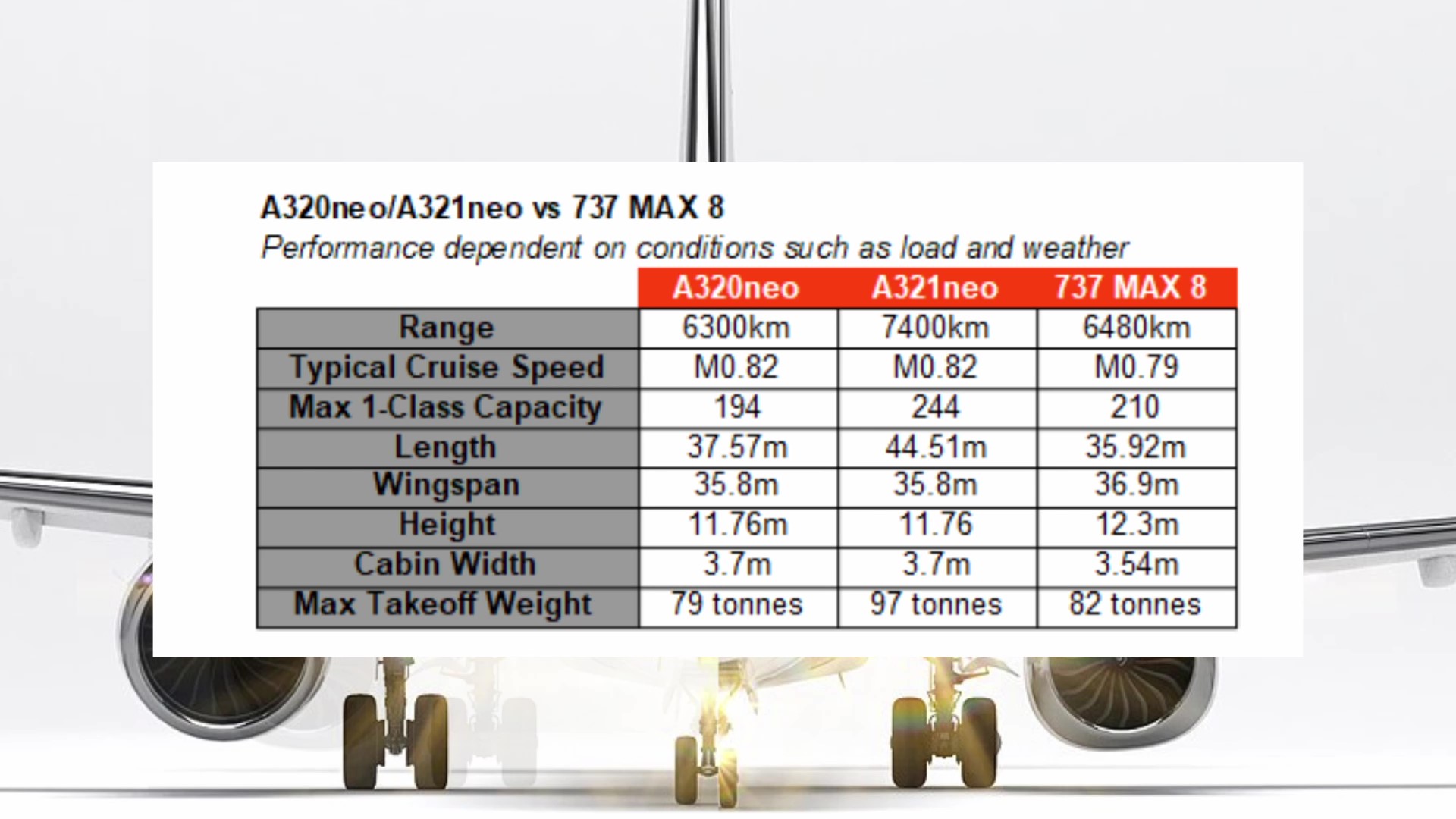
As the aviation industry would prioritize fuel efficiency and the rapid growth of air passenger traffic into the 2010s, Airbus launched the latest version of its A320 Family aircraft – the A320neo (New Engine Option) in 2010. A year later, Boeing would follow by launching the 737 MAX. Like their predecessors, both the A320neo and 737 MAX have similar technical specifications and costs. However, each builds and improves on the older generation. Directly competing with the 737 MAX, both the A320neo – and later the bigger A321neo – continues to be a part of the ongoing battles for aircraft orders between Airbus and Boeing.
Sources: Airbus, Boeing
Between the two newer aircraft, among the major differences are the bigger engines on the A320neo/A321neo, and the additional capacity advantage on the A321neo – including the A321XLR. Sitting higher on the ground compared to the 737, the A320neo/A321neo has bigger engine options which provides more power for less fuel burn. Airbus also offers higher capacity configurations for the A320neo and A321neo. With the additional seat capacity on the A321neo and the A321XLR, airlines would be able to match demand and operate medium-haul routes without the need for a larger widebody aircraft. The combination of range, a higher capacity, and the powerful and fuel efficient engines are major selling points for the A320neo/A321neo among airlines – especially for Southeast Asia's budget airlines - looking to maximize revenue on short and medium-haul routes while minimizing their operating costs.
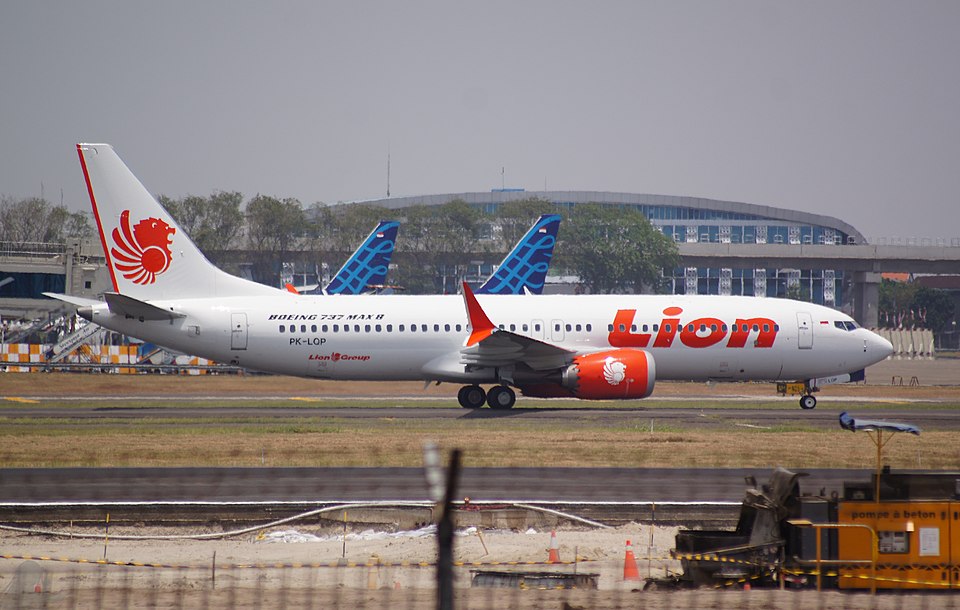
While displaced as the primary narrowbody aircraft of Southeast Asia, the 737 – through the 737 MAX - continues to gain orders from airlines with a history of operating Boeing's narrowbody jets in Malaysia, Indonesia, and Singapore. Lion Air welcomed the region's first MAX in 2018. However the celebratory welcome would turn to tragedy as one of its new MAX crashed later in the year. The reputation of the MAX took more blows following the crash of another new MAX in Ethiopia in early 2019 that led to global groundings and investigations. Production and deliveries of the MAX would be delayed and commercial flights using the aircraft would not resume until the end of 2020.
Image: Lion Air Boeing 737 MAX 8 (PK-LQP) - the aircraft involved in the crash of JT610. Credit: PK-REN/flickr
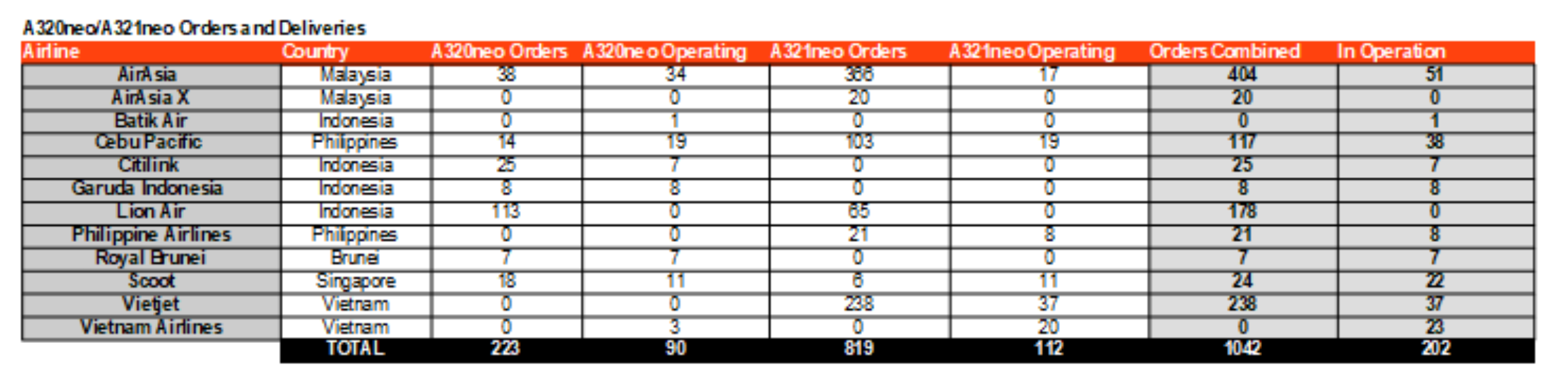
Based on records from Airbus and Boeing, Airbus leads with orders for its A320neo/A321neos with 1042 orders versus the 737 MAX with 815. 204 A320neo/A321neo aircraft are currently in operation in the region versus 112 MAX.
Between the A320neo and the A321neo, the A321neo is the clear winner with 819 out of the 1042 ordered by Southeast Asia's carriers. In a competitive region which has seen record passenger traffic growth and increased aircraft movements at major hubs, the A321's capacity and capabilities provides the needed capacity at small airports that can't accommodate a widebody jet. For Southeast Asia's budget airlines with big future ambitions, it helps maximize revenue and reduce costs.
AirAsia would be the first operator of the next generation A320 aircraft in 2016. The budget airline group has since taken over 50 A320neo/A321neos, with 404 ordered. Vietjet is the second biggest customer with 238 orders followed by Cebu Pacific with over 100. AirAsia – including AirAsia X – has the largest active operating fleet of A320neos in the region followed by Cebu Pacific with 38 and Vietjet with 37.
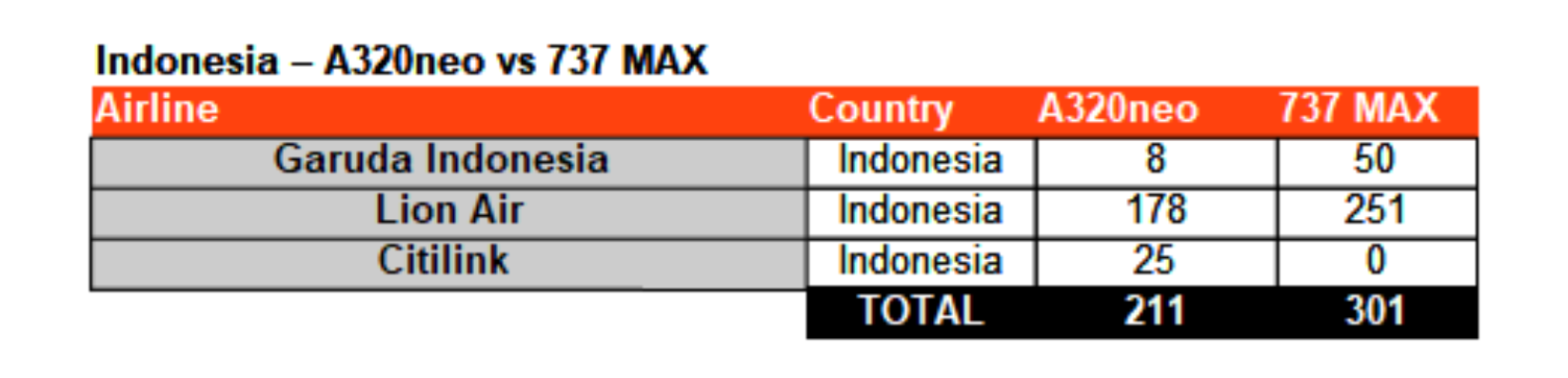
Airbus and its A320neo currently leads in orders and aircraft in operation in Southeast Asia, though the region has three countries that can be considered contested for narrowbody aircraft orders: Indonesia, Vietnam, and Singapore. The biggest of these countries is Indonesia, where airlines such as Garuda Indonesia and Lion Air have a long history of operating 737 aircraft. While Airbus has secured over 200 orders for A320neo aircraft from airlines including major 737 operator Lion Air, Boeing leads with its 300 orders for the MAX in the country.
Vietnam is another contested country despite most of its airlines operating A320 aircraft. In Vietnam, there are 238 orders for A320neo Family jets. However, Vietjet also made a commitment with Boeing for 200 MAX. The first few 737 MAX jets have already delivered to the Vietjet Air Group since November 2025 and is now operated by Vietjet Thailand.
In Singapore, Singapore Airlines Group continued to use the former SilkAir's 737-800s and took on its prior orders for 37 737 MAX. After integrating the former Tigerair's orders into its budget brand Scoot, it also took on orders for 24 A320neo jets. Around 20 of the jets are currently operating with the airline – mostly with Scoot. Singapore Airline's 737-800s have since been phased out, replaced by 20 MAX.
Island Hopping and Southeast Asia's Budget Travel Revolution
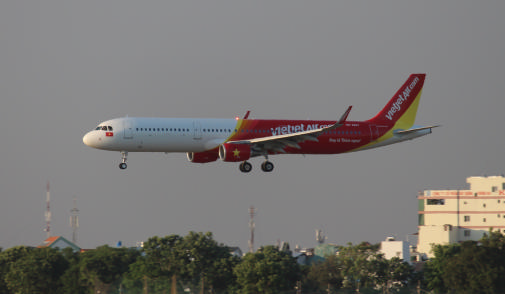
Image: Vietjet A321. Credit: Vietjet
From the major Southeast Asian hubs of Singapore, Kuala Lumpur, Bangkok, and Manila, to the smaller airports such as Caticlan (Boracay), Ipoh, Sibu, Miri, and Labuan Bajo (Komodo), there is a good chance you'll be flying aboard an A320. The aircraft can take-off from short runways to fullfill a variety of flights from the short domestic hops to medium-haul routes. Following the introduction of the A320 to the fleets of the region's budget airlines, the A320 was a key part in the budget travel revolution of the 2000s. It has opened up essential air links across island in Indonesia and the Philippines, and between ASEAN and other parts of Asia and Australia.
While currently the leader, the global success of the A320neo could also cause problems for Airbus later. As future delivery slots getting limited, airlines – including those based in Southeast Asia – could see the 737 MAX as an alternative for much needed widebody aircraft within a shorter time period.
Besides the competition from its biggest rival, the A320neo also faces additional challenges from the likes of China's COMAC and Embraer. While not necessarily a direct competitor to the A320neo, Singapore's Scoot ordered and currently operates Embraer's E190-E2 (E2). The E2 is smaller and offers less capacity allowing Scoot to expand its network with new routes to smaller airports. The COMAC C919 – China's own narrowbody commercial jet – could gain orders in ASEAN states with good relations with the country if it can get the needed regulatory approvals.
Despite being a newer aircraft, the A320 has been the primary narrowbody jet for Southeast Asia over the 737 during the past two decades. Though airlines with long-standing relationships with Boeing and 737 fleets have helped the American aircraft manufacturer maintain its position when it comes to narrowbody jets in the region. Airbus is looking to make its presence bigger in Southeast Asia with the larger A321neo – and the long-range A321XLR - which will become the future primary narrowbody jet in the region. As the competition between Boeing and Airbus continues, the A320 – through the A320neo/A321neo – continues to be the dominant narrowbody jet family in Southeast Asia.
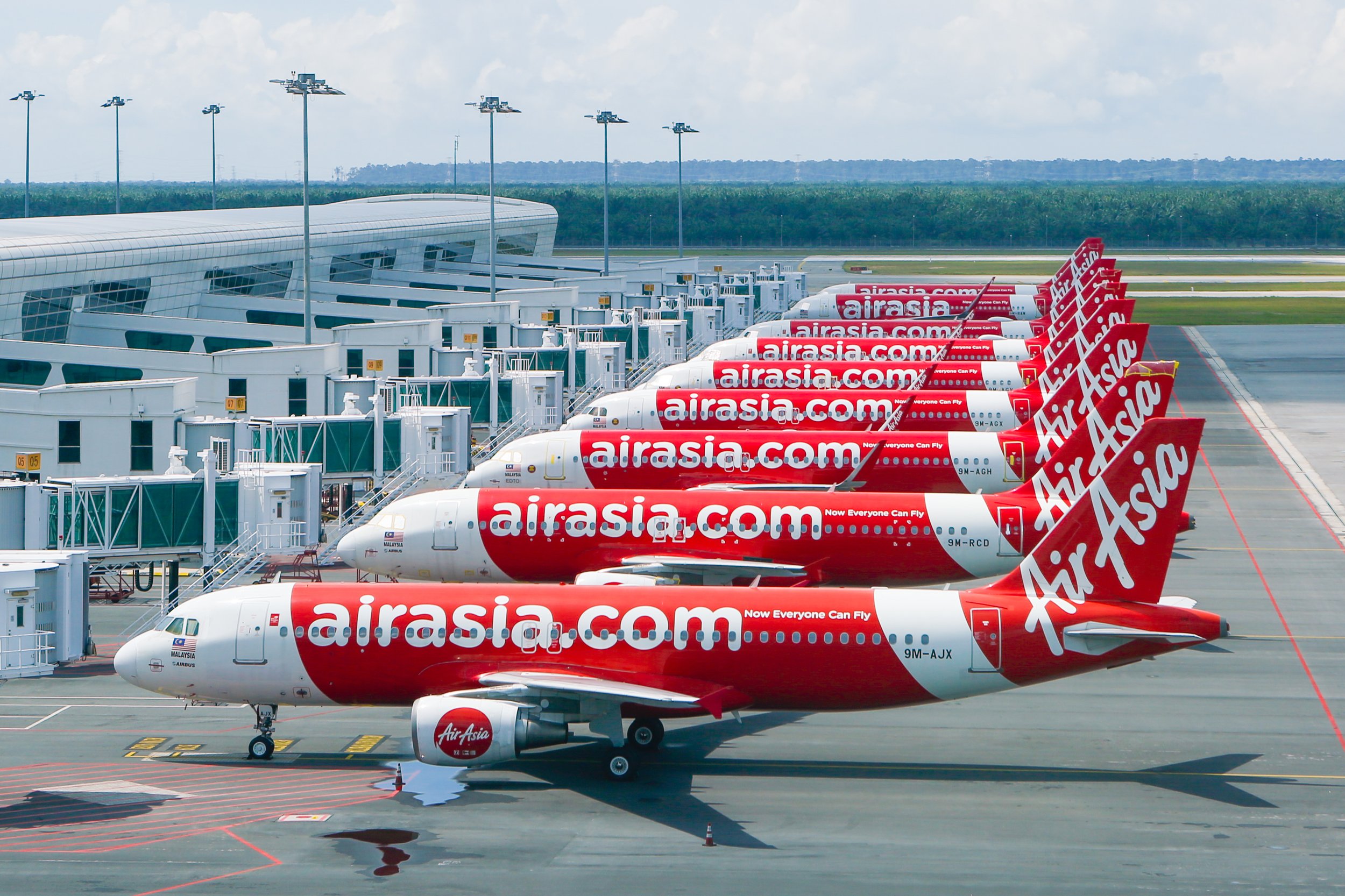
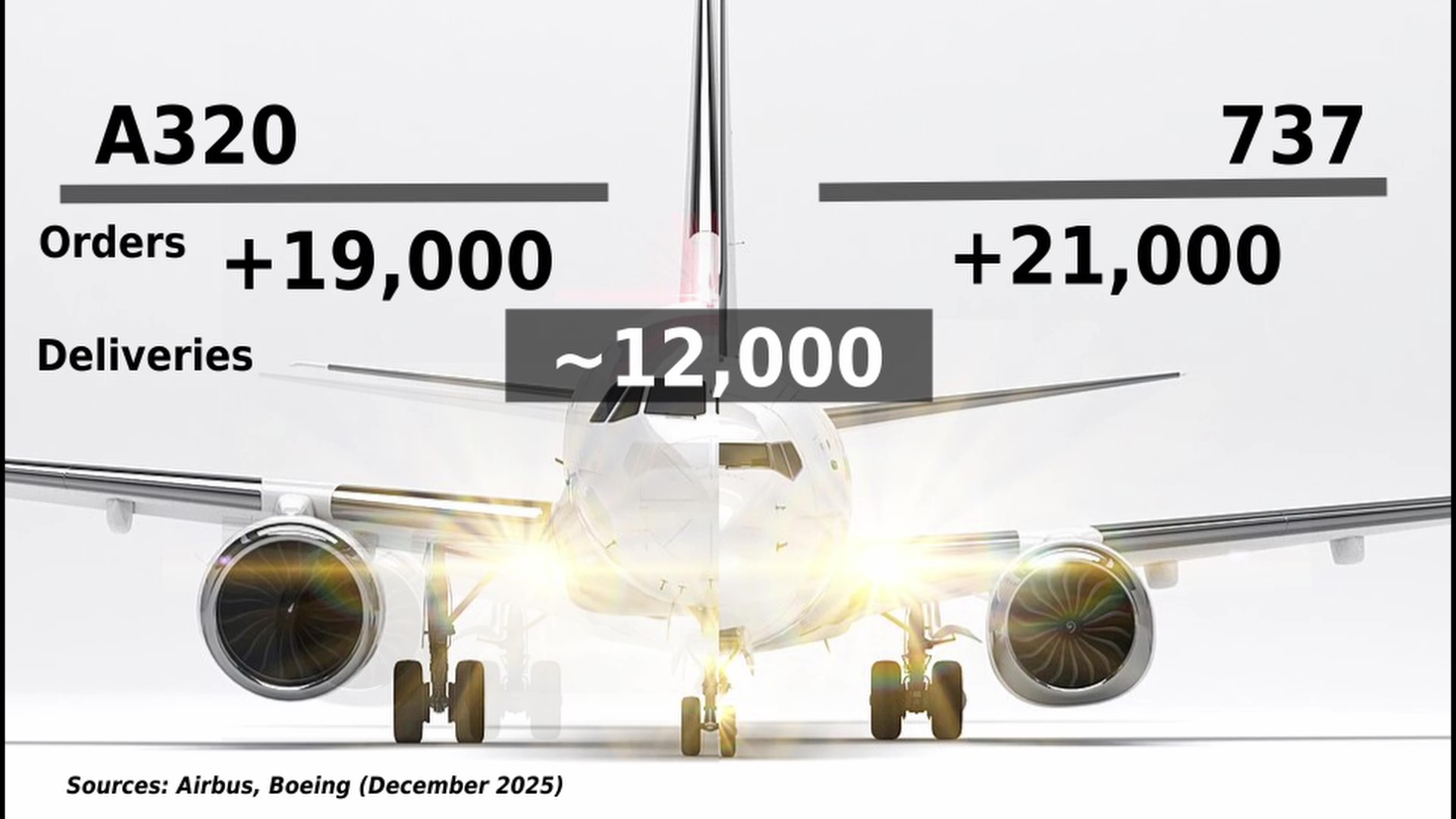
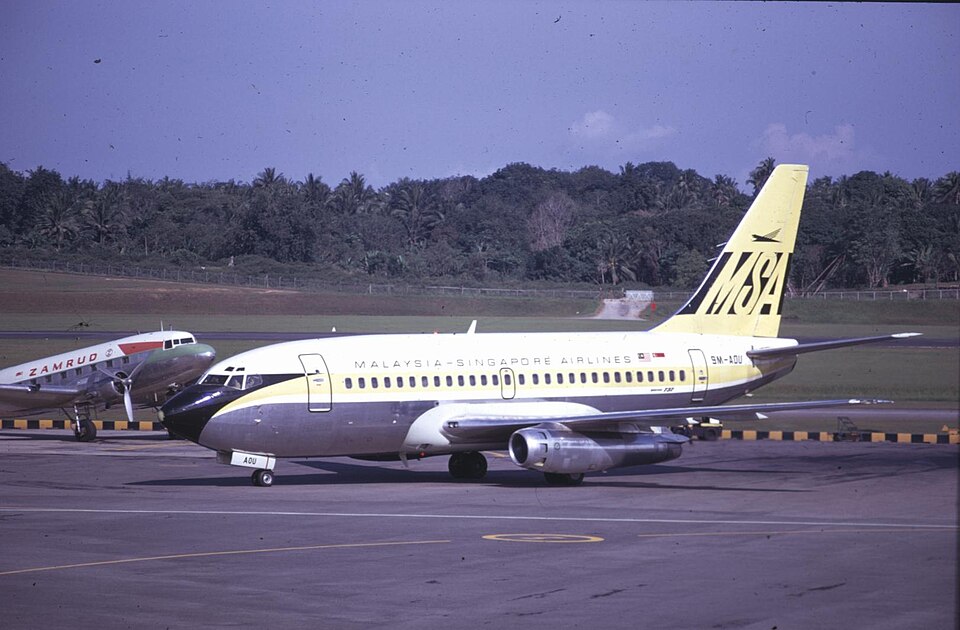 Image: Malaysia-Singapore Airlines 737-100 at Singapore Paya Labar Airport (February 1969). Credit: NSBReynolds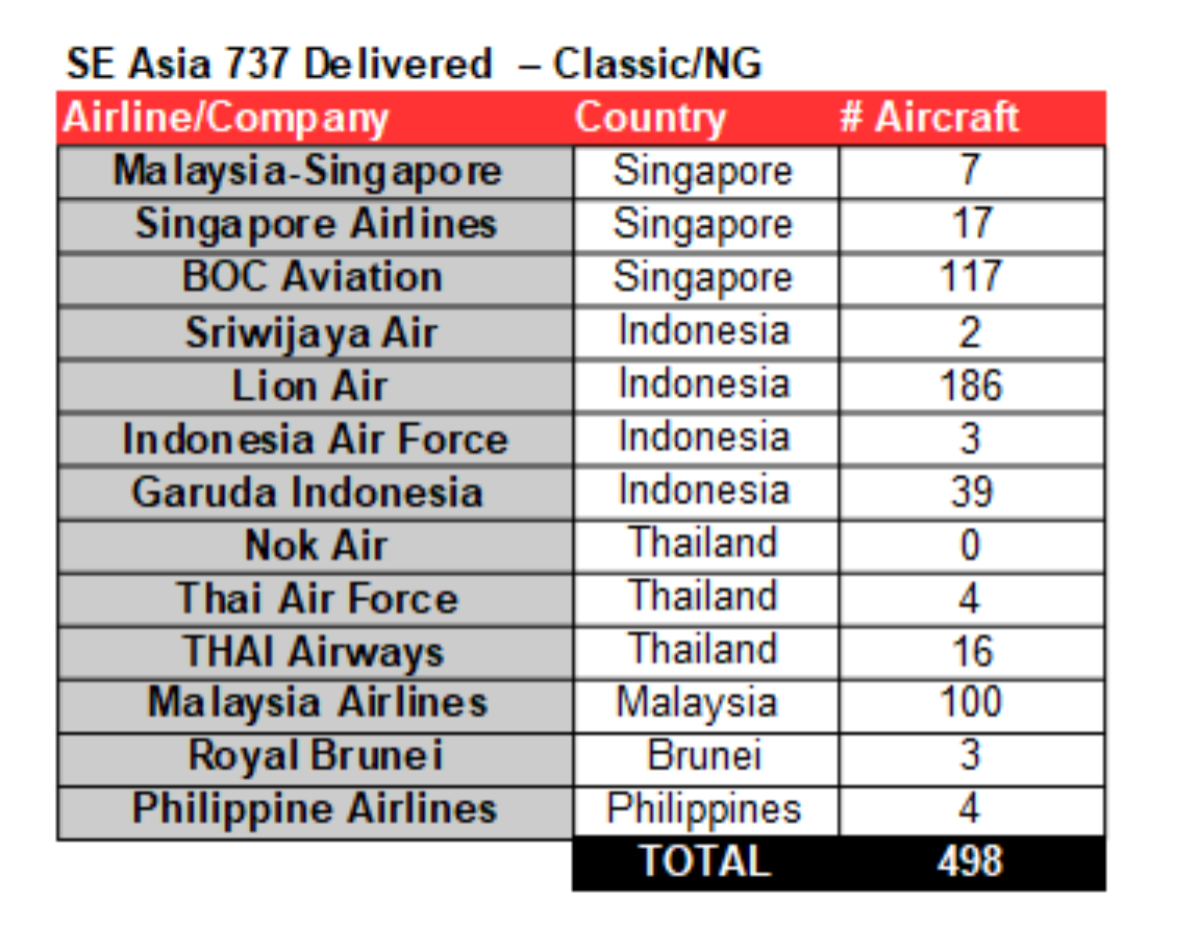
.jpg)