Airports
Philippine Tourism department seeking return of turboprop flights at Manila's NAIA
Written by Jeffrey Teruel | Published on November 09, 2026
Airports
Written by Jeffrey Teruel | Published on November 09, 2026
Citing the added difficulty and expense of domestic travel within the Philippines, Philippine Department of Tourism (DOT) is pushing for the country’s aviation regulators to allow for the resumption of turboprop aircraft at Manila’s Ninoy Aquino International Airport (NAIA).
Citing the added difficulty and expense of domestic travel within the Philippines, Philippine Department of Tourism (DOT) is pushing for the country’s aviation regulators to allow for the resumption of turboprop aircraft at Manila’s Ninoy Aquino International Airport (NAIA).
Recently, DOT Secretary Bernardita Angara-Mathay stated the current policy which shifted turboprop operations outside of NAIA including Clark Airport added another layer of difficulty to domestic tourism. She cited an example of foreign diplomats who struggled to catch their flight to Batanes in the northern Philippines from Clark Airport as the railway connection to the airport remains unfinished. Road congestion especially during the rainy season, also complicates travel to and from the airports.
The North-South Commuter Railway, which will connect Manila and Clark Airport is not expected to become operational until 2029.
“The problem is that our own people who want to travel are finding it increasingly difficult to do so. It has become more expensive, and there is more friction in aspirational travel, particularly for those who want to visit our domestic destinations,” Angara-Mathay was quoted saying in a report from the Manila Standard.
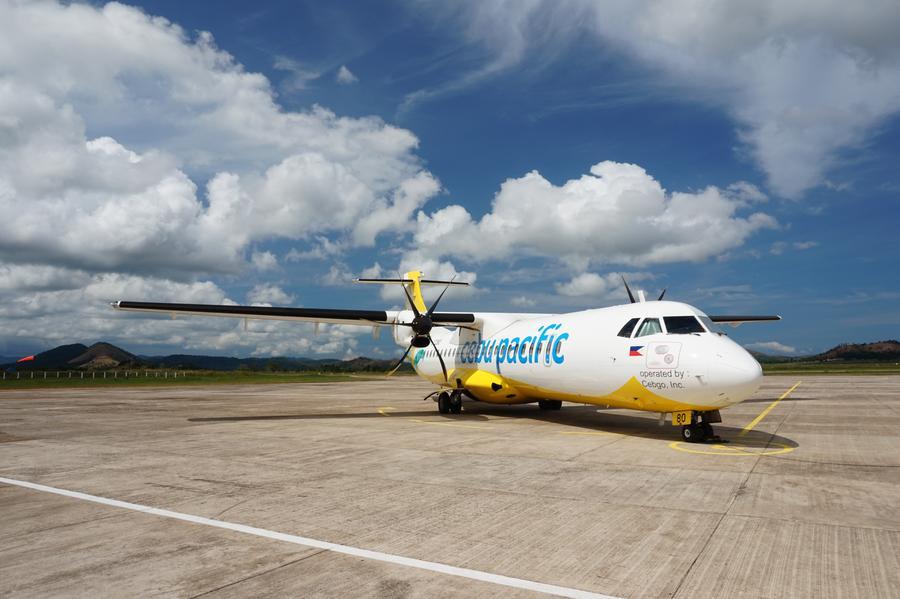
Angara-Mathay stated she has raised the matter with Philippine Transport Secretary Vincent Dizon to open the negotiation and allocation of limited flight slots for turboprop aircraft at NAIA. Turboprop aircraft flights from NAIA operated by Philippine Airlines and Cebu Pacific subsidiaries PALexpress and CebGo were fully shifted primarily to Clark Airport 100 kilometers north of Manila by March of this year. The airlines along with others such as AirSWIFT and Sunlight Air operate the smaller turboprop aircraft to destinations in the Philippines that can’t accommodate larger jets such as El Nido, Siargao, and Busuanga (Coron).
The decision was made by the Manila Slot Coordination Committee with the aim to reducecongestion and free up runway slots for larger aircraft at thePhilippines’ main air hub. The Manila Slot Coordination Committee is made up of the Department of Transportation, Manila International Airport Authority, Civil Aviation Authority of the Philippines, Philippine Civil Aeronautics Board, and airport operator New NAIA Infra Corp.