
Features
Where Budget Airlines Fail and Succeed
Written by Jeffrey Teruel | Published on May 12, 2026
Features
Written by Jeffrey Teruel | Published on May 12, 2026
This article takes a look at some factors that contribute to the success of a budget airline, including some that give some budget airlines their own unique advantage.
After years of financial troubles, US-based Spirit Airlines suspended its operations on May 2, 2026. During Spirit's more than 33 years of operation, it brought the ultra-low-cost model to the US market opening up more opportunities for travel in North America. However, Spirit could not overcome its challenges blamed on a variety of factors such as the application of the Low Cost Carrier (LCC) model in the US, politics, the COVID-19 pandemic, and the Pratt & Whitney engine issues that led to the grounding of much of its fleet. While the demise of Spirit Airlines continues to be discussed, it gives us a case of a failed budget airline.
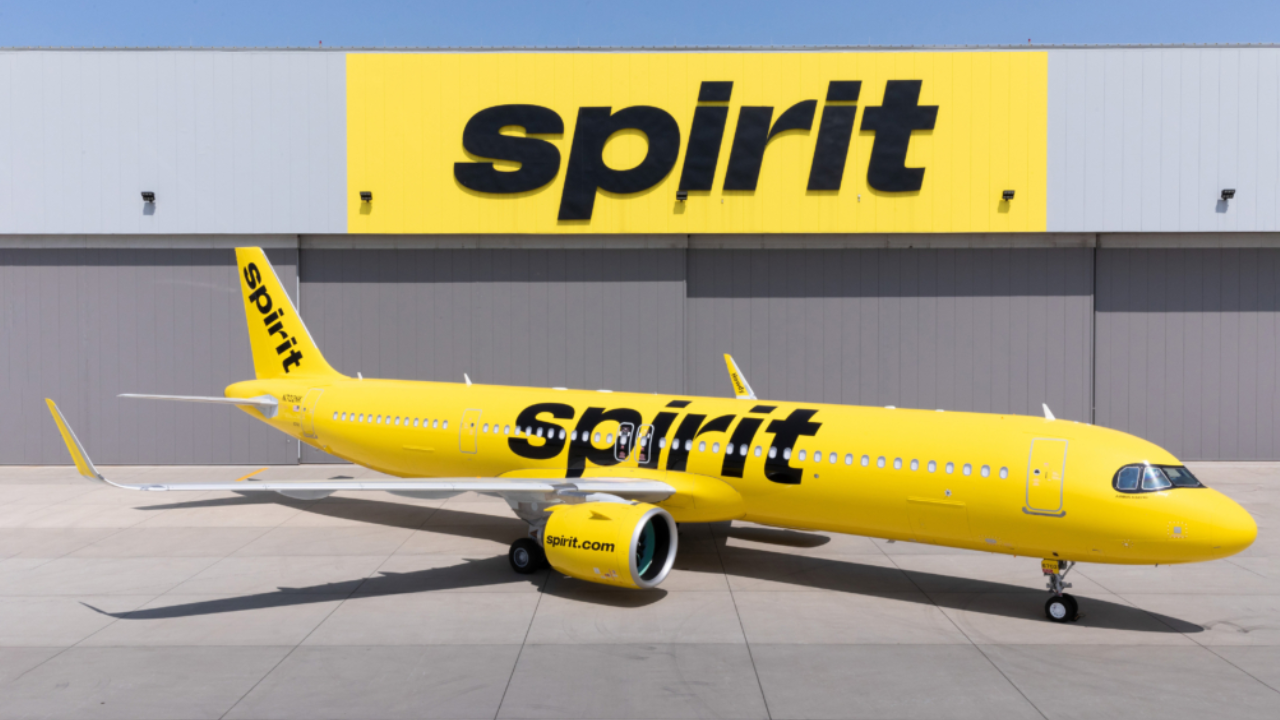
Image: Spirit Airlines A321neo. Credit: Spirit Airlines
Unlike Spirit, these airlines such as Ryanair, AirAsia, Lion Air, and Cebu Pacific have not just succeeded, but also have become the dominant airlines in their own local markets. These airlines have factors that contribute to the success of a budget airline such as favorable geography, fewer regulations, and a less crowded domestic market.
The US is one of the most-watched aviation market in the world, but more importantly it was the place where most modern aviation industry practices started. This includes low-cost airlines such as Southwest Airlines which had its start in the 1970s. While Southwest was one of the first in the world to offer lower fares to customers, budget airlines in Asia and Europe took the ideas further to improve and perfect it. Unlike Spirit, these airlines such as Ryanair, AirAsia, Lion Air, and Cebu Pacific have not just succeeded, but also have become the dominant airlines in their own local markets. These airlines have factors that contribute to the success of a budget airline such as favorable geography, fewer regulations, and a less crowded domestic market.
Favorable Geography That Makes Air Travel Essential
Because of the separation of cities and countries by water, air travel is not just convenient but essential for the carriage of both passengers and cargo. It is for this reason AirAsia and Cebu Pacific have expanded going beyond passenger carriage and ancillary sales to the transport of cargo. While not a common practice for budget airlines, cargo transport provides another source of revenue for these budget airlines.
Today, air travel is the most convenient way to travel internationally especially across oceans and terrain. When traveling domestically – or even to cross the border to another country in a continent like Europe – one can opt to forgo taking a flight for a ride on a bus or train. The same can not be said in Southeast Asia where countries such as the Philippines and Indonesia are made up by an archipelago of islands. Both countries officially count the number of islands in their territory to over 7,000 in the Philippines, and 17,000 in Indonesia. It is here where Malaysia’s AirAsia Group, Philippine-based Cebu Pacific, and Indonesia’s Lion Air Group have turned the islands of the region into their playground.
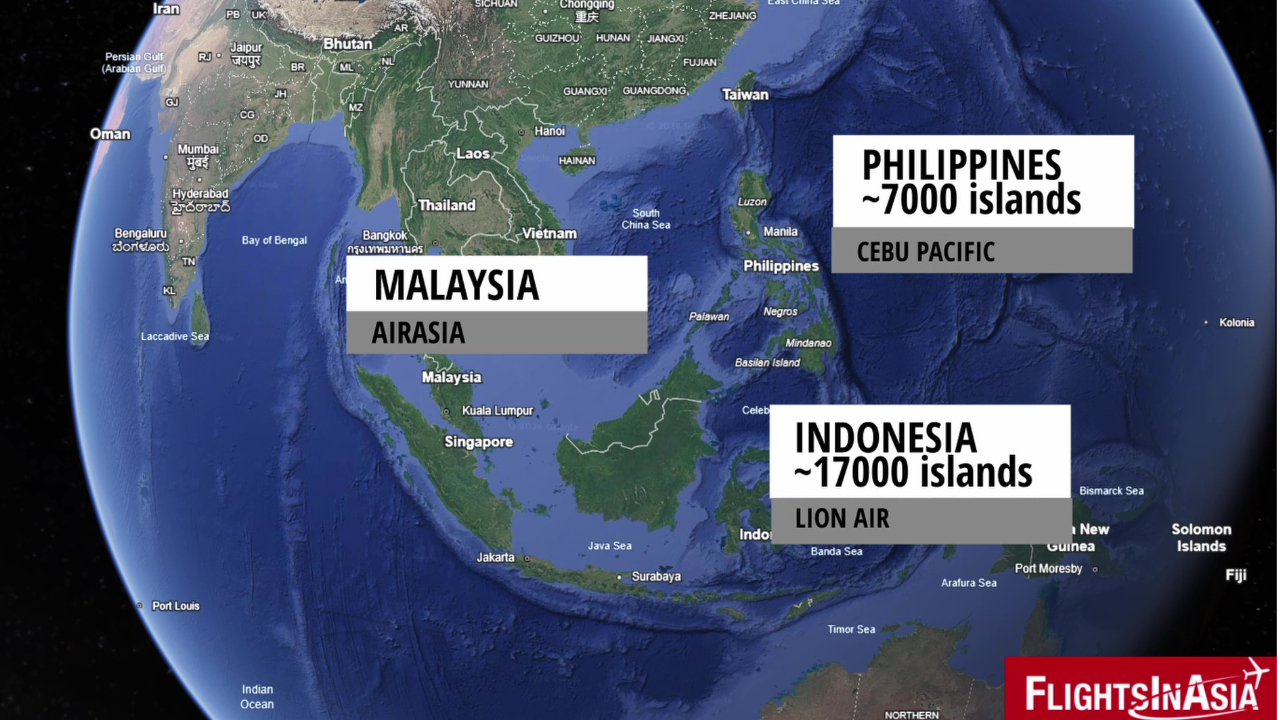
From the over 7,000 island that make up the Philippines, Cebu Pacific has been the top airline in terms of passengers carried in the country serving nearly 27 million in 2025. Cebu Pacific controls over 50% of the domestic share versus full-service Philippine Airlines, operating flights to/from 26 points within the country. The vast majority of the airline’s domestic network include flights over islands to major cities such as Manila, Cebu, Davao, Iloilo, and Cagayan de Oro. In addition, the airline also operates flights to popular resort destinations in the country such as Caticlan (Boracay), Siargao, and Puerto Princesa. The routes go beyond the country’s main hubs of Manila and Cebu, opening more international and domestic routes to other secondary cities that are not served by airlines like Philippine Airlines.
Among these routes is the busiest air route in the Philippines between the capital city Manila and Cebu. Covering a distance of around 570km, the Manila-Cebu route is slightly further than the 540km distance between San Francisco and Los Angeles, or the 480km trip between Paris and Zurich. While there is the option to travel by ferry, a flight is the most convenient way to travel between two biggest economic hubs of the Philippines separated by islands.
On the international network, Cebu Pacific shares this advantage with two of the biggest budget airline groups in the world: Malaysia’s AirAsia and Indonesia’s Lion Air. Along with Cebu Pacific, AirAsia and Lion Air subsidiaries connect the major cities of Southeast Asia such as Jakarta, Singapore, Kuala Lumpur, Manila, and Cebu. Within the region, AirAsia is a major player on the 3rd busiest international air route in the world: Kuala Lumpur-Singapore. While it is possible to cross the border for the 300k trip on land that includes crossing the border between Singapore and Malaysia using either of two bridges, the budget airlines offer competitive and convenient travel options between the two cities. Budget airlines are top options on a route that covers a distance similar to Dallas-Austin in the large US state of Texas (300km), or Paris-Brussels (250km) within Europe.
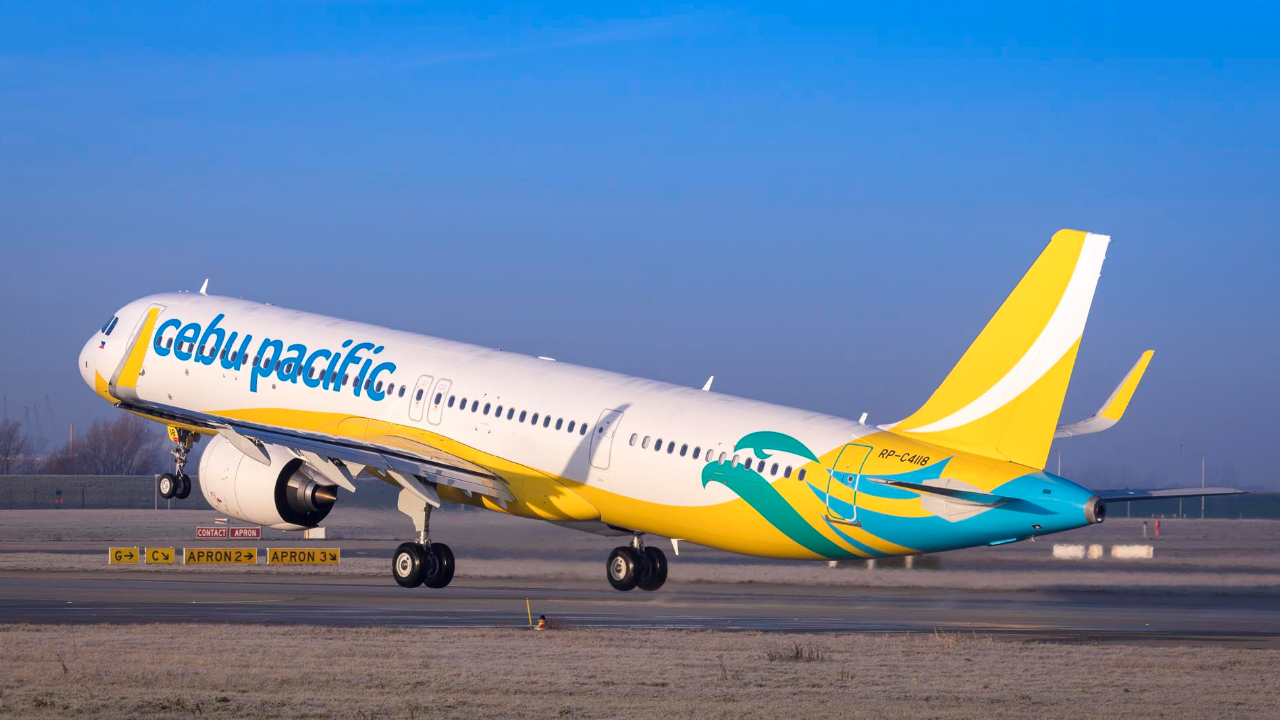
Image: Cebu Pacific Airbus A321neo. Credit: Airbus/Cebu Pacific
An even better example of a connection between two major Southeast Asian hubs not easily traveled by sea is between Kuala Lumpur and Jakarta. The distance between the two cities in Southeast Asia is comparable to traveling from Houston to Atlanta, or Berlin to Milan. Here, the region’s budget airlines are major players along with the full service airlines Malaysia Airlines and Garuda Indonesia.
Compared to the US, Southeast Asia covers a bigger area of around 13 million km2 versus 9.8 million km2 when including the sea area. Because of the separation of cities and countries by water, air travel is not just convenient but essential for the carriage of both passengers and cargo. It is for this reason AirAsia and Cebu Pacific have expanded going beyond passenger carriage and ancillary sales to the transport of cargo. While not a common practice for budget airlines, cargo transport provides another source of revenue for these budget airlines.
Less Domestic Competition, Regulations
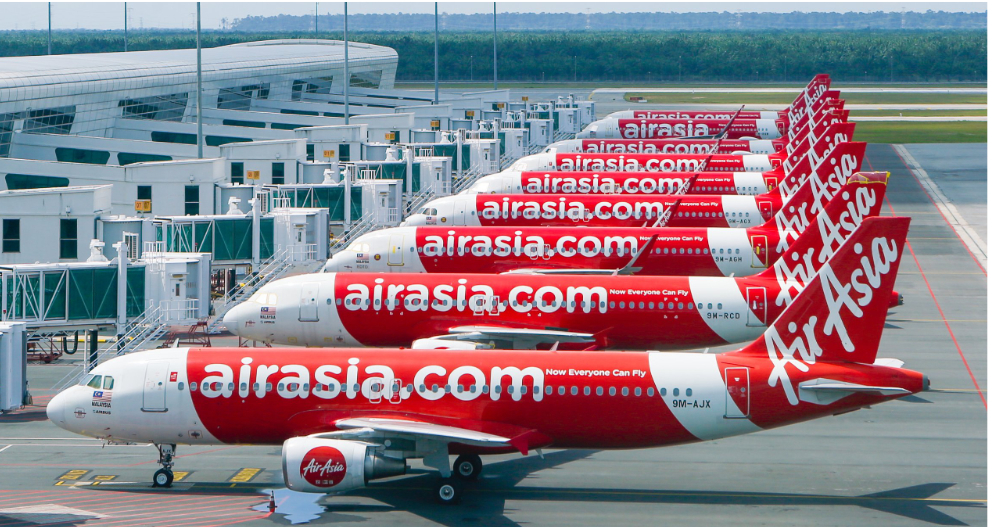
Image: AirAsia aircraft parked at the Kuala Lumpur International Airport Terminal 2 (KLIA 2). Credit: AirAsia
Europe and Asia are also competitive aviation markets in their own way, but airlines in those two regions – budget and full-service – are better protected from foreign airlines coming into and competing against them in their home domestic markets and hubs.
The aviation market in the US is dominated by three big, legacy airlines United, Delta, and American. Along with their international routes, their domestic networks and hubs are spread across the country. It is one large, lucrative market but also highly competitive where even iconic airlines such as Pan American and TWA have come and gone. There are fewer restrictions that prevent United, Delta, American, or a new airline to launch a new hub geographically close to or at a current hub where another airline dominates. This is a contrast to what we see in Europe and Asia where historically a country typically had one main flag carrier operating from just one or two main hubs in their home countries.
Europe and Asia are also competitive aviation markets in their own way, but airlines in those two regions – budget and full-service – are better protected from foreign airlines coming into and competing against them in their home domestic markets and hubs. Singapore Airlines can’t just go across the border into Malaysia and set up a hub at Kuala Lumpur – and vice versa for Malaysia Airlines in Singapore. In turn, Malaysia-based AirAsia can’t easily set up a new subsidiary in Singapore without approval from the Singaporean government.
Despite what can be considered protectionist policies in Asia, AirAsia, Lion Air, Vietjet, and Qantas’ subsidiary Jetstar have launched subsidiaries beyond their home countries in Asia. Though they have done so with abiding by local ownership requirements in countries such as the Philippines, Vietnam, and Japan. While these budget airlines can compete on international and domestic routes, it is usually more difficult to enter the often more lucrative domestic markets unlike the vast country of the US.
The Ryanair Approach: Be the Unapologetic, Fundamental Maverick
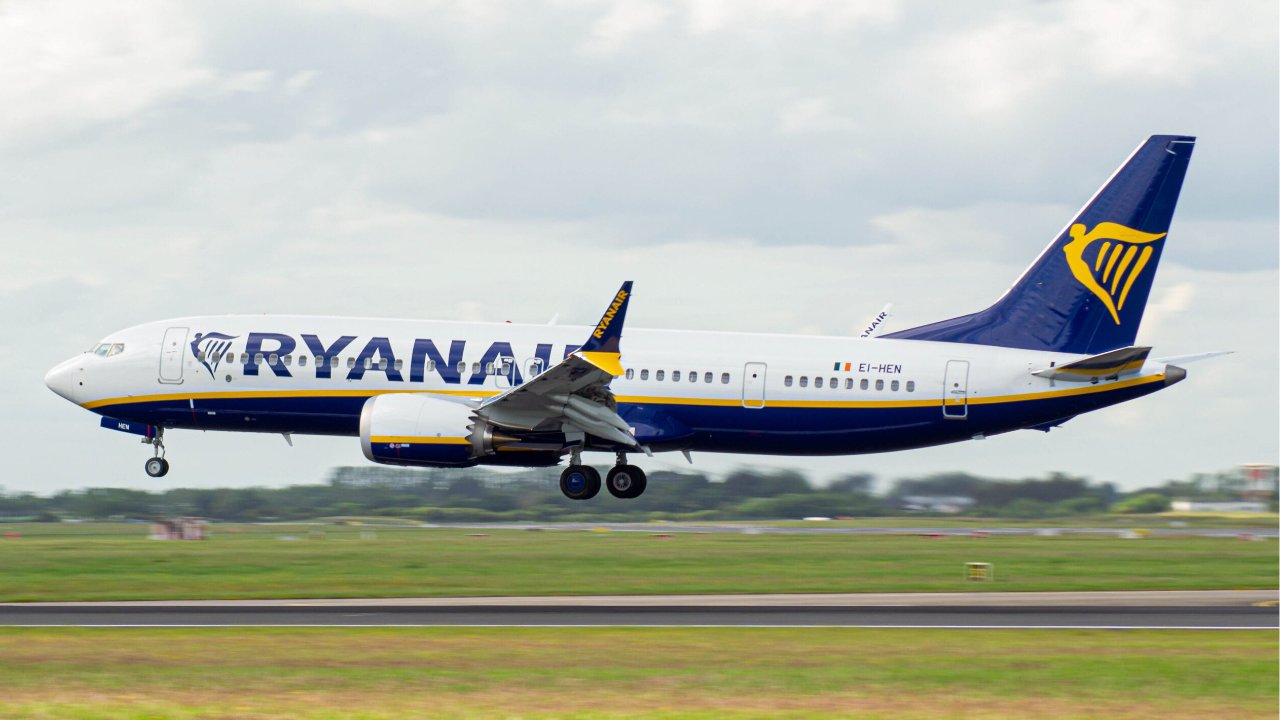
Image: Ryanair Boeing 737 MAX. Credit: Ryanair
One can make a case-study of Ryanair and its marketing tactics, going beyond promoting low fares to “trolling” their customers. Though what Ryanair gets right is doing everything – and anything - the company can do to reduce its costs.
Europe with its 10.18 km2 area and land borders is a contrast to the islands of Southeast Asia. Yet some of the biggest airlines on the continent in terms of passenger traffic are LCCs such as Ryanair, easyJet, and WizzAir. Ryanair is the largest serving over 200 million passengers while achieving a load factor of over 90% in 2025. Base fares are far lower compared to its competitors, yet this bold budget airline reported an after-tax profit of over EUR 1.61 billion (~USD $1.87 billion) last fiscal year (FY2025). Europe has great ground transport options, yet Ryanair arguably has been the most faithful to the fundamentals of operating a budget airline.
One can make a case-study of Ryanair and its marketing tactics, going beyond promoting low fares to “trolling” their customers. Though what Ryanair gets right is doing everything – and anything - the company can do to reduce its costs. Ryanair uses secondary hubs in major cities include Paris Beauvais-Tille instead of Orly and Charles de Gaulle; Rome Ciampiano instead of Fiumicino; Brussels South Charleroi instead of Brussels-National; and Frankfurt-Hahn instead of Frankfurt-Main. Ryanair is often the big airline tenant of these airports that are often overlooked by bigger airlines, so they can negotiate for favorable, lower costs such as airport fees. Serving from these airports lets Ryanair avoid competing head-on with full-service airlines on major routes, and reduce aircraft turnaround time.
The other aspect where Ryanair stays true to the fundamentals of budget airlines is being strict with baggage fees and policies. Any added conveniences such as a preferred seat, and preferred boarding must be purchased upon booking. The interiors of the fleet comprised of all Boeing 737 aircraft are designed to maximize capacity over passenger comfort. Despite being criticized for its policies and practices, Ryanair’s ancillary revenue for FY2025 was EUR 4.72 billion (~USD $5.52 billion) which according to the airline has helped it offset high operating costs. While other budget airlines have enhanced comfort and convenience for passengers, Ryanair is able to remain unapologetic as a budget airline. This strict adherence to the basics of budget airline operations has been a key factor the continued success of Ryanair.
Budget Airline Subsidiaries
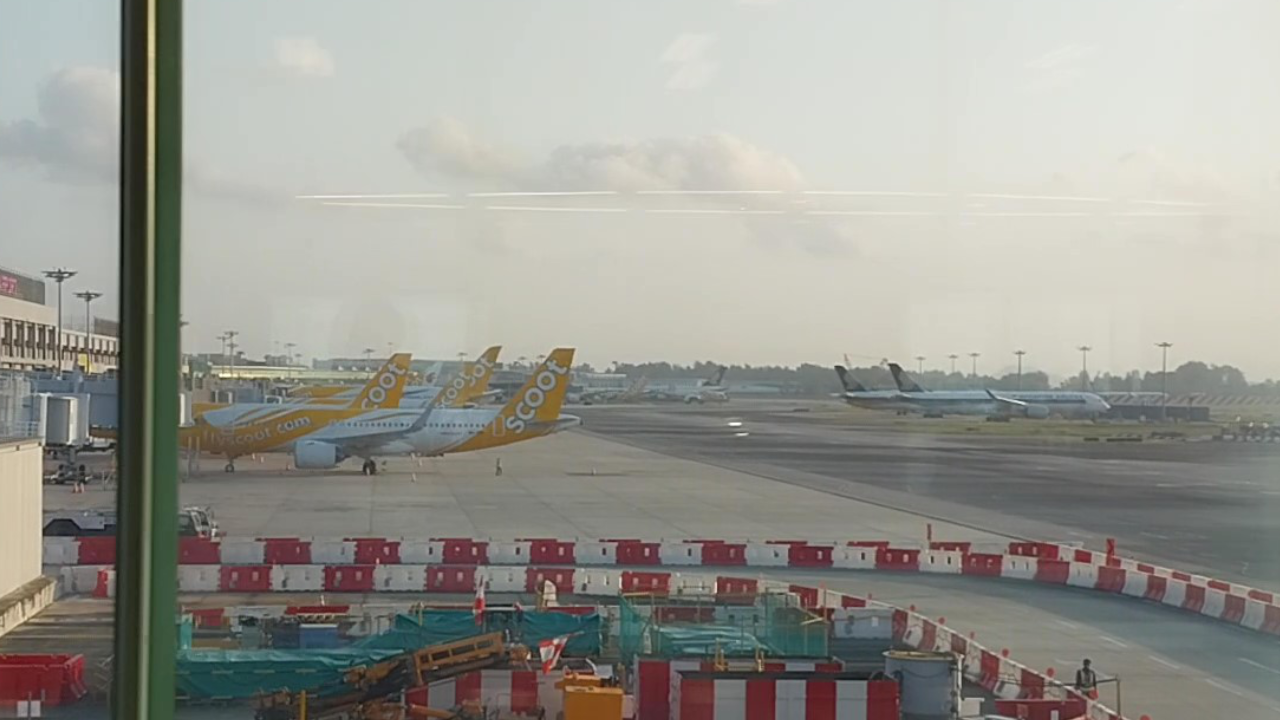
Image: Scoot and Singapore Airlines aircraft at Singapore's Changi Airport
Formed as a response to budget airlines such as AirAsia and Cebu Pacific growing a presence in their home countries, there is a varying degree in how the full-service airline is involved in the budget brands. Most of these budget airlines operate separately with their own websites and booking systems, and airport facilities.
In Europe and North America, budget airlines typically compete with the larger full-service, legacy, airlines. Though recently some of Asia’s legacy airlines have made major investments into their own budget subsidiaries to offer more diverse travel options to customers. In Japan, Jetstar Japan – which will be rebranded next year – and medium-haul operator ZIPAIR Tokyo are under Japan Airlines (JAL). Its main Japanese competitor All Nippon Airways (ANA) has Peach Aviation. Other full-service/budget airline combinations in the region include Korean Air/Jin Air, Singapore Airlines/Scoot, Cathay Pacific/HK Express, and Malaysia Airlines/Firefly.
Formed as a response to budget airlines such as AirAsia and Cebu Pacific growing a presence in their home countries, there is a varying degree in how the full-service airline is involved in the budget brands. Most of these budget airlines operate separately with their own websites and booking systems, and airport facilities. Though one exception to this is Singapore Airlines’ budget subsidiary Scoot.
Being a city-state, Singapore does not have a domestic network as its other neighboring countries such as the Philippines, Indonesia, and Malaysia. With budget airlines operating in Singapore and competing against Singapore Airlines on key routes, Scoot primarily serves leisure and regional destinations while Singapore Airlines focuses on long-haul and premium markets. There are routes where both operate on, which gives customers more options that can be booked on either airlines’ websites.
In addition to being able to book Singapore Airlines and Scoot flights on either website, passengers are able to earn and redeem frequent flier miles on either airline. While there are budget airlines that have their own frequent flier or rewards programs, Scoot is an example of a budget airline serving its parent company’s network plans while also giving back benefits to customers.
Lower Fares Does Not Always Equal Success
Starting an airline with a LCC model, and simply offering lower fares than the competitors is not always a guarantee to success especially if the operating costs exceed all else. In some markets such as budget long-haul, even those operations have proven to be more challenging for well-backed airlines such as AirAsia’s long-haul operation AirAsia X, and other challengers like Norwegian and Norse Atlantic which I have discussed in an older YouTube video. While we celebrate the success stories of budget airlines from Asia, we often forget the others left forgotten in history such as Valuair, Tigerair, and Oasis Hong Kong Air. For every successful subsidiary launched by AirAsia and Jetstar, they also have closed brands that were based in Japan, Vietnam, and Singapore.
Back to the discussion related to Spirit Airlines, many continue to ask whether a budget airline is viable in the US and the rest of North America. While a vast country with varying terrain without convenient, alternate forms of getting around such as high-speed rail, one could assume budget airlines can thrive in the big and influential US aviation market.
It can be argued that Spirit was rigid in its approach as a budget airline in a market where it is simply less tolerated compared to other regions. Spirit was stuck in a situation where low fares was its value proposition, but lower than what was needed to sustain its operation and stay competitive. The airline had a presence in major hubs where it competed directly with the bigger legacy carriers. United, Delta, and American have recently countered airlines such as Spirit by offering Basic fares – cheaper than their regular fares but with some benefits that a budget airline can’t provide. With so many options to get between cities in the US by air, low fares is not enough considering other deciding factors such as flight schedule, frequent flier benefits, route, and most importantly comfort.
While customers in the US do not seem to want to simply sacrifice comfort and convenience in the name of lower fares, one can say customers in Southeast Asia and Europe are the opposite. Budget airlines do consider their standards when it comes to seats, interiors, and service when competing with major full-service airlines. They often attract younger travelers looking for a quick getaway that sometimes does not require them to bring a check-in bag. Budget airlines in Asia and Europe satisfy these customers who simply “wanna get away.” Getting to the destination and enjoying the experiences beyond the flight and airport is more important.
In Southeast Asia, budget airlines take advantage of the favorable geography along with a history of less competition in their home domestic markets. Despite criticism, Ryanair in Europe continues to be an example of a true budget airline. Other budget airlines such as Scoot in Singapore benefit from being a well-backed subsidiary of a major airline. A budget airline will not always have all of these factors in their favor, but they take some of these key factors to develop their own successful business.